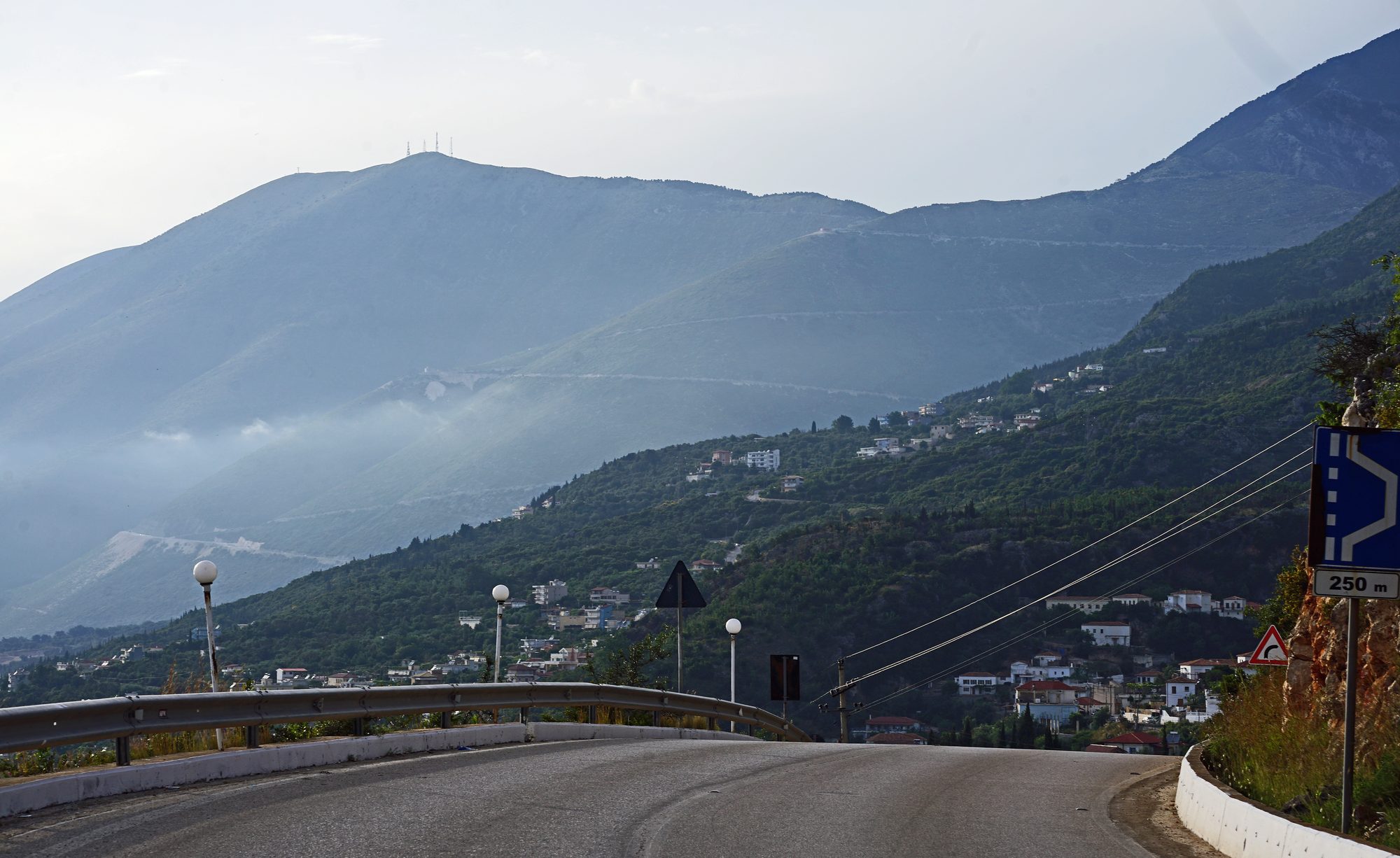
For fifty weeks of the year Dhërmi is a village of about 1,800 people, stacked up the flank of the Ceraunian mountains, with a stone church at the top and a pebble beach a long walk below. For the other two, in early June, it holds one of the more talked-about electronic music festivals in Europe, and the road down to the water fills with minibuses of people who flew into Tirana that morning and have never been to Albania before.
That split is the whole story of Albania’s festival season. In under a decade the country went from having essentially no international festival circuit to hosting several, almost all of them clustered into a few weeks either side of midsummer, almost all of them on beaches, and most of them organised from abroad. It has been good for the coast and complicated for the villages hosting it.
This is a guide to what actually runs, what it costs, and how to get there. It is also, in the last section, a guide to the two festivals I would send a friend to before any of the beach ones.

The Shape of the Season
Albania’s festival calendar is front-loaded and short.
| Festival | When | Where | Roughly |
|---|---|---|---|
| UNUM | Early June | Rana e Hedhun beach, Shëngjin | Techno, three stages, north coast |
| Kala | Early June | Dhërmi, Albanian Riviera | Broad electronic, six beach stages, hotel included |
| Za Fest | Late July | Rozafa Castle, Shkodra | Music, theatre, poetry, small |
| Turtle Fest | Late July | Dhërmi beach | House, techno, trance, backpackers |
| Korça Beer Fest | Mid August | Drenovë, outside Korçë | Beer, Albanian pop, free |
June is the month, and there is a practical reason for it. The sea is warm enough to swim by the first week, accommodation still costs roughly what it costs in May rather than what it costs in August, and the coast is not yet at the density where you queue to park. By late July the Riviera is full, hot, and expensive, which is when the remaining festivals lean younger and cheaper.
If you are choosing a week for Albania around a festival, June is also simply the better time to see the country. I have written more about when to come, but the short version is that early June gets you swimmable water without August prices.
Kala, Dhërmi
Kala is the one most people mean when they say they are going to a festival in Albania. The 2027 edition runs 2 to 9 June on the beaches below Dhërmi, and it is unusual in how it is sold: every international ticket bundles a festival pass with a hotel room. A full week with a three-star hotel starts at £325, about €375 per person, and the options run up from beach huts to five-star. Early Bird tickets go on sale on 6 October, after the Super Early Bird tier sold out.
The site is six open-air stages spread along the shore, with wooden dancefloors laid over the pebbles. Most of the accommodation is within walking distance, which matters more than it sounds: Dhërmi’s beach and Dhërmi’s village are separated by a steep couple of kilometres, and taxis at four in the morning are not a system you want to depend on.
Payment inside the festival is cashless. You top up an RFID wristband by card and use that for everything on site. Outside the gates, the village runs on cash, in lek or euro, and restaurants are somewhere around €8 to €15 a head.
Getting there is the part people underestimate. Dhërmi is roughly three and a half hours from Tirana airport, over the Llogara pass or, since 2024, through the tunnel beneath it. Kala sells its own transfers and they are the cheapest sensible option:
| Option | Time | Price per journey |
|---|---|---|
| Coach | 3h15 | £30 |
| Minibus | 2h45 | £45 |
| Taxi | 2h30 | £145 |
| Ferry and coach from Corfu | 3h15 | £45 |
The official coaches only run on the main arrival days, Wednesday to Friday at the start and Monday to Wednesday at the end. If your flights fall outside that window you are arranging your own transport, and that is where a prebooked transfer from Rinas saves you negotiating a four-hour taxi at arrivals. Book the festival coach first if your dates allow. It is a third of the price.
Who it is for. Kala is run by Mainstage Festivals, a British operator, and the crowd is largely British and international. It is honest about that. Albanians attend on separate local tickets that do not include the hotel. If you are coming for the music and a week of swimming between sets, it delivers exactly that. If you are coming to see Albania, understand that you will mostly be seeing a beach with a very good sound system on it.

UNUM, Shëngjin
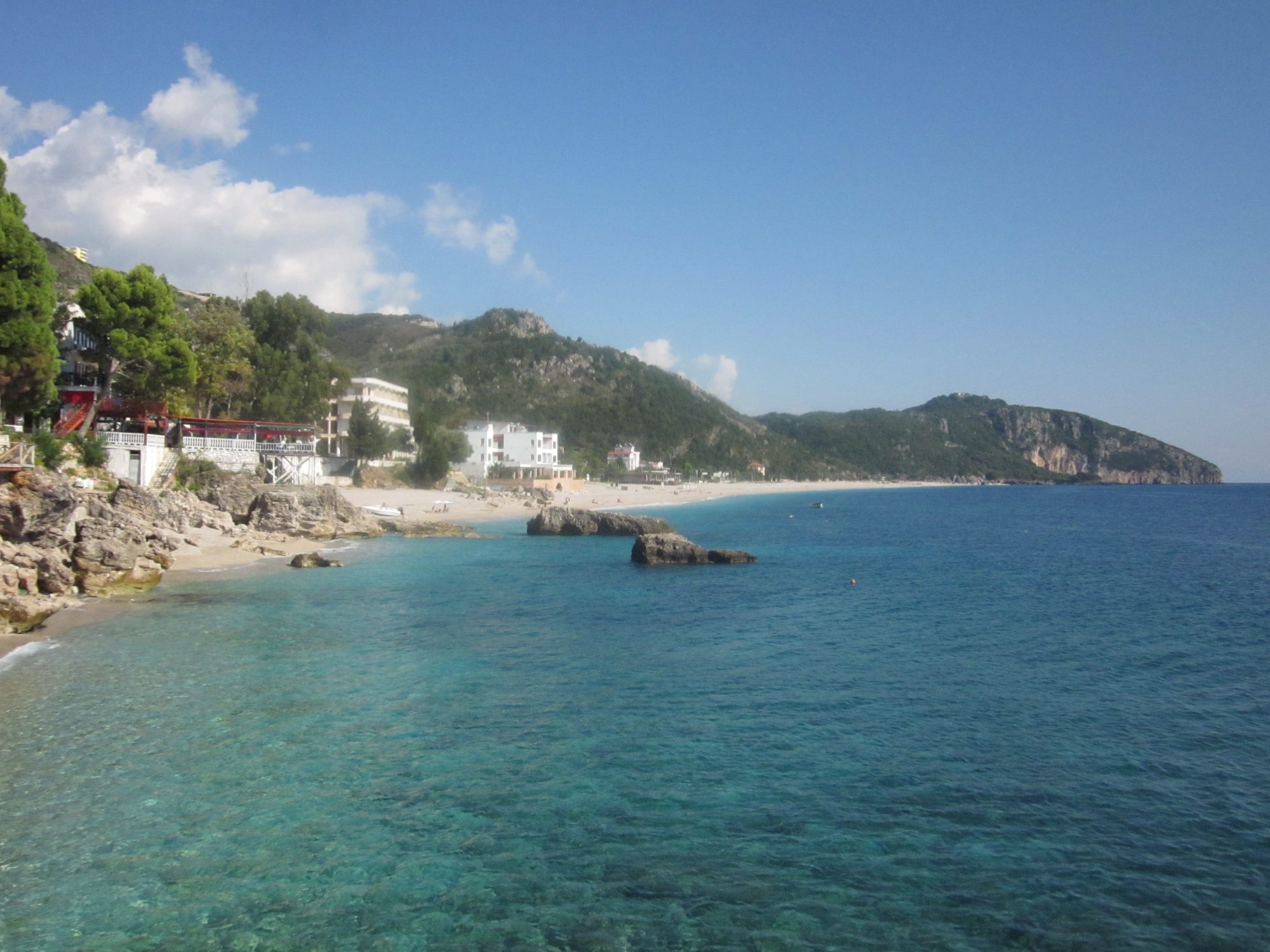
UNUM is the other serious one, and it sits at the opposite end of the country. It takes place on Rana e Hedhun, a dune beach outside Shëngjin on the Adriatic coast north of Tirana, and the 2026 edition in early June was its seventh. It picked up Best Global Festival at the DJ Awards in Ibiza in 2025, which for a festival on a beach most Albanians think of as a domestic summer resort is a strange and rather good thing to have happened.
Three stages: a main stage looking out at the Adriatic, a Pine Stage under the trees that leans on local artists, and a Beach Stage, with a fourth secret stage added for 2026. The programming is harder and more purist than Kala’s, and the 2026 bill included Ricardo Villalobos, Ben Klock, Raresh and Margaret Dygas.
Tickets work differently here. A festival pass starts at €99 and does not include a bed. Packages start at €239 and bundle the pass with three nights of accommodation and airport transfers. As of the end of August 2026, the 2027 dates have not been published; the site is taking signups only. If UNUM is your reason for the trip, wait for the announcement before booking flights.
The practical advantage of UNUM over Kala is the drive. Shëngjin is a little over an hour from Tirana airport on decent road, against three and a half hours to Dhërmi. That is not a small difference when you are travelling with a hangover and a suitcase.
.jpg)
Turtle Fest, Dhërmi
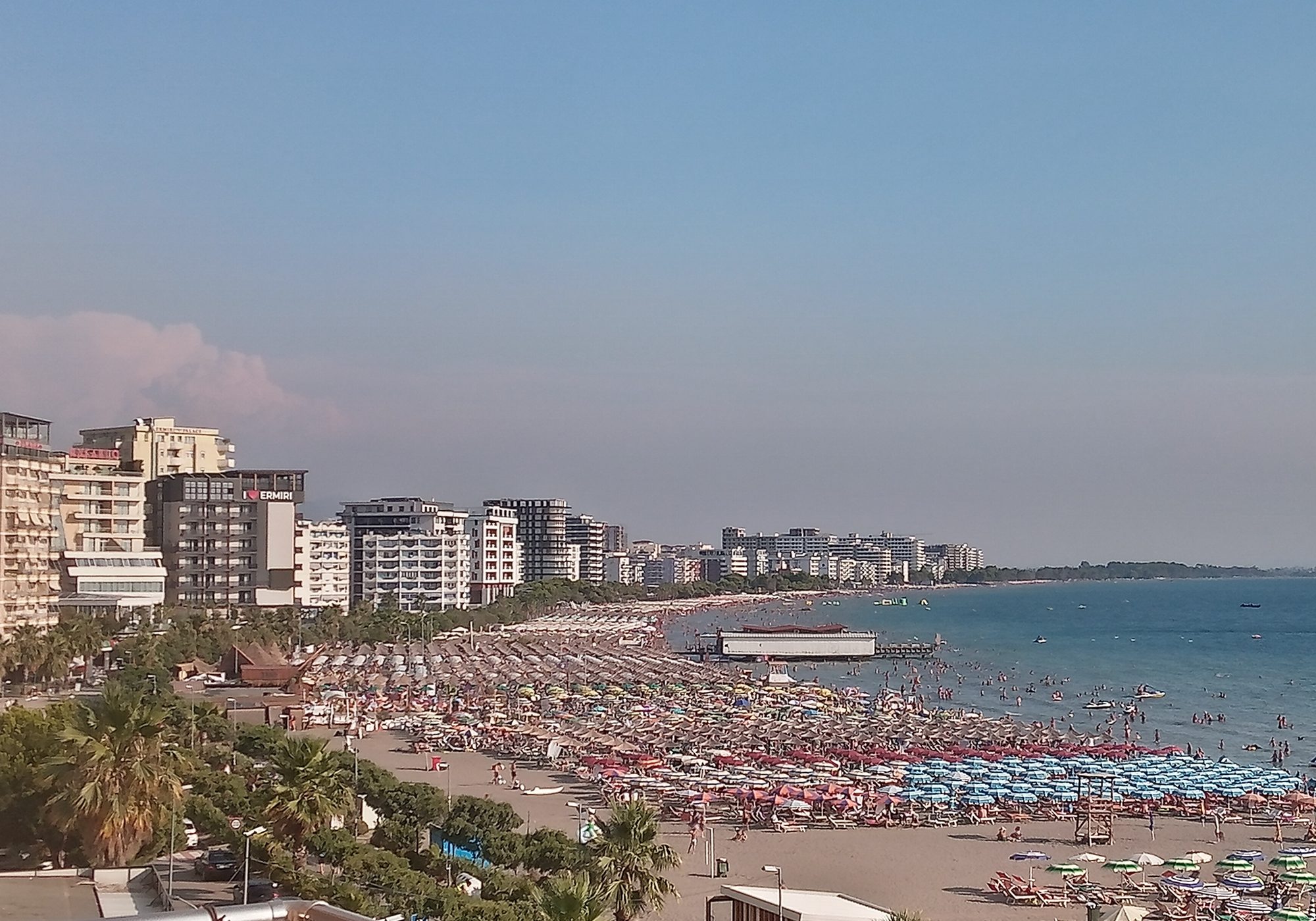
Turtle Fest is the oldest of them. The 2026 edition, from 28 to 31 July, was its tenth, which makes it the longest-running electronic festival in the country. It sits on Dhërmi beach next to Havana Beach club, it runs house, techno, trance and drum and bass across two stages, and it is over-18s only.
It is also the cheapest and the scruffiest of the three, in the way that a festival with a backpacker crowd usually is. Nobody is bundling you a five-star room. People sleep in hostels, in tents, and in whatever they can find in Drymades, the cove immediately north of the main beach, which has pines and olives behind the shore and a string of clubs running from barefoot-and-cheap to genuinely expensive.
Late July on this coast is hot and busy. That is the trade-off against the lower ticket price.
What Happened to ION
If you search for festivals in Dhërmi you will find ION listed, sometimes with confident-looking 2026 dates attached. Ignore those.
ION ran three September editions at Dhërmi, in 2022, 2023 and 2024, and then cancelled. Its own announcement was direct about why: the rising cost of international travel and of producing events. The organisers said they were looking at new possibilities including a new location, and they have not come back to Albania since.
The listings sites have not caught up. Songkick, Superfan and several festival aggregators still carry Dhërmi entries with 2026 dates on them. This is a good general lesson for planning anything in Albania: check the festival’s own site or Instagram before you buy a flight, because the secondary listings ecosystem here is largely unmaintained.
The Two I Would Actually Send You To
The beach festivals are imports. They are well run, and the money they bring is real, but they could be happening on any warm coastline in Europe and the crowd would not notice. These two could not.
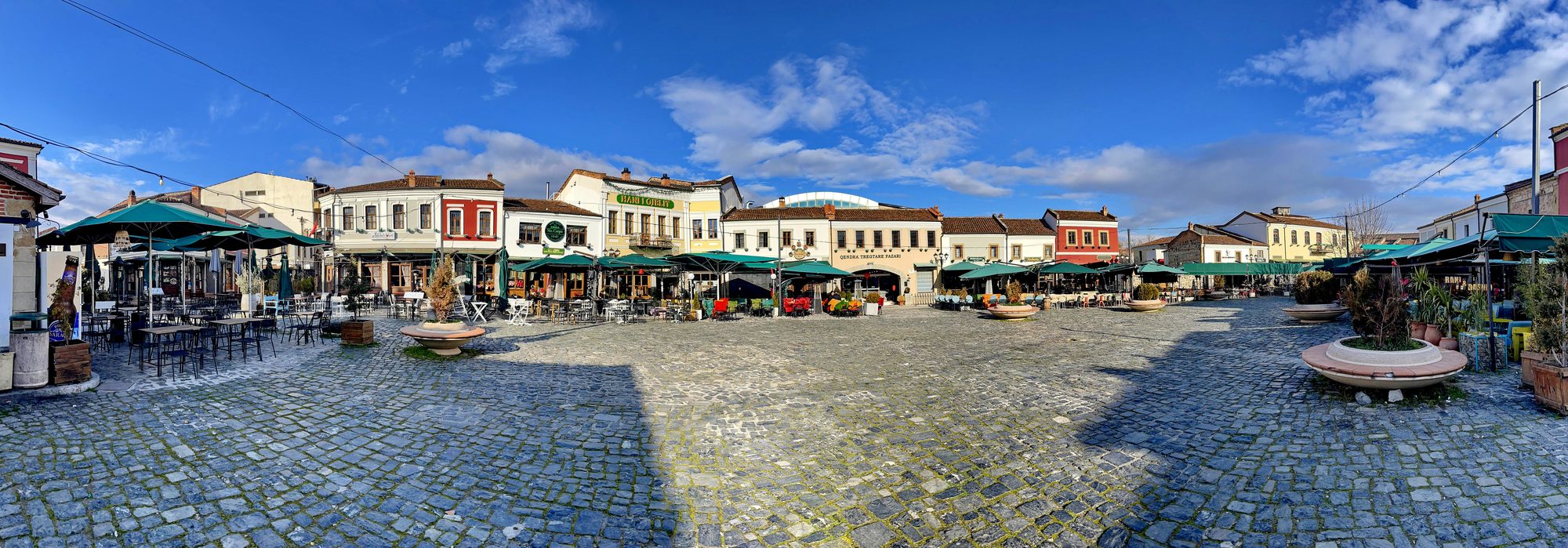
Korça Beer Fest. Five days in mid August in Korçë, in the southeast highlands, in the town that brews Albania’s best-known beer. The 2026 edition ran 12 to 16 August and was the twentieth, and for the anniversary it moved to a new purpose-built venue called South Pole, out at Drenovë just outside town. Entry is free. What you get is five nights of Albanian pop and folk acts, grilled meat, and several thousand people from every part of the country drinking Birra Korça in a field. It is loud, unpretentious, and completely local. Korça is also a genuinely good city to be in, with an Old Bazaar, a serviceable food scene, and the frescoed churches of Voskopojë half an hour up the mountain; the Korçë guide covers all of it.

Za Fest, Shkodra. Three nights in late July, two of them inside Rozafa Castle above the city and the opening one down at the Historical Museum in town, mixing music with theatre, poetry, contemporary ballet and film. It started in 2017 up in the mountain village of Theth and moved down to Shkodra around 2022. It is run by a non-profit, Qendra Zâ, directed by the singer-songwriter Vlashent Sata, and it is small enough that a couple of hundred people on the castle nights counts as a full house. A two-night castle pass was 3,700 lekë in 2025, roughly €32 to €39, with single nights at 2,500 lekë. The 2026 edition ran 23 to 25 July.
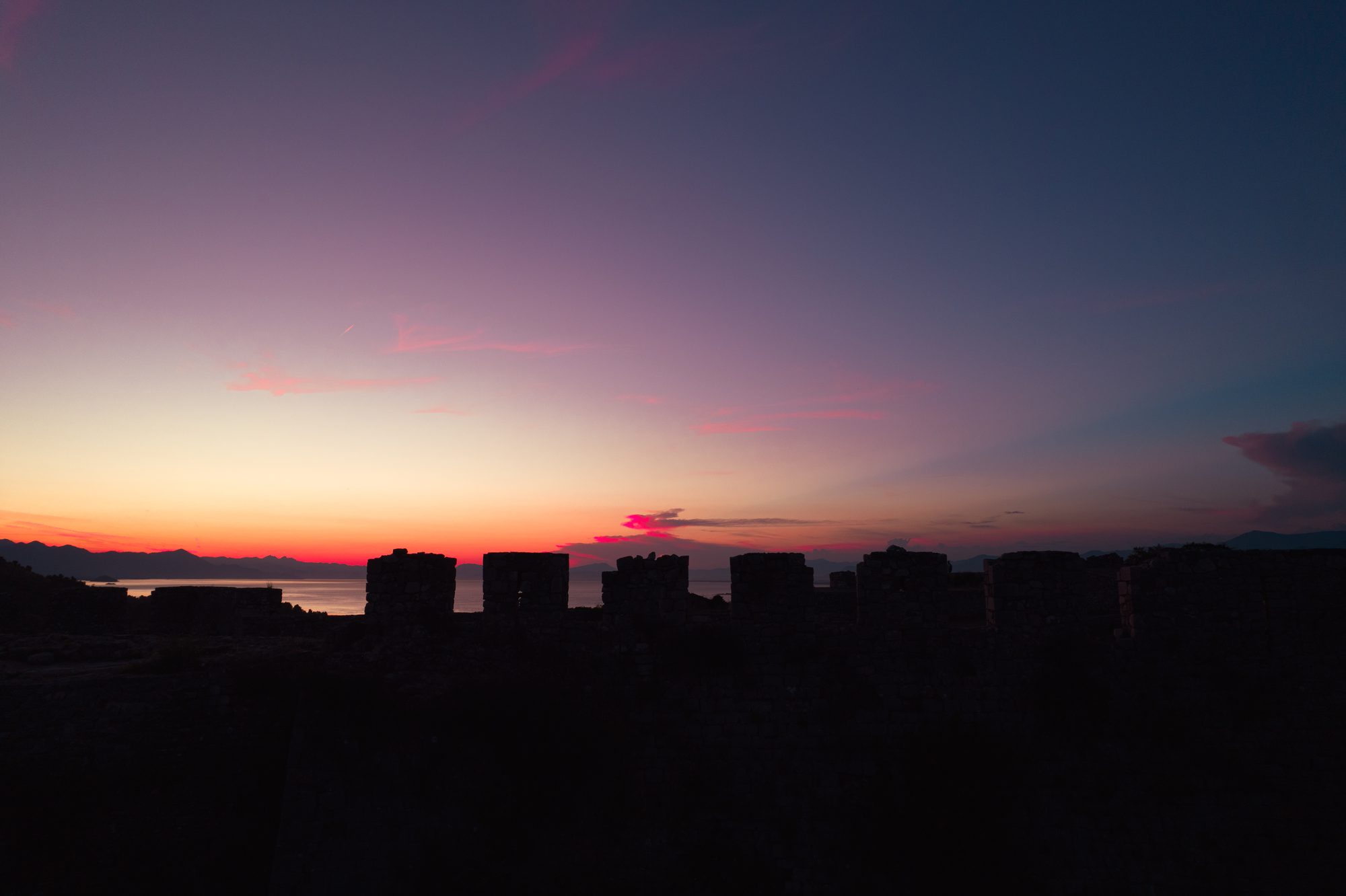
Standing inside that fortress at dusk, with Lake Shkodra going pink on one side and three rivers meeting on the other, while somebody performs in Albanian to a few hundred people, is not an experience Dhërmi is offering. I say that as someone who has enjoyed Dhërmi.

Practical Things Worth Knowing
Bring beach shoes. The Riviera is pebbles, not sand, and the pebbles at Dhërmi are large and unkind. Every year a portion of the festival crowd works this out on day two.
Cash still matters. Inside Kala and UNUM you are on a wristband. Outside, in the village shops, at the beach bars, in the taxis, you want lek. ATMs on the Riviera are few and run dry during festival weeks. Take cash out in Tirana. My budget guide covers what things actually cost.
Get insurance, genuinely. Kala’s own FAQ tells you to, and it is right. This is a week of sun, alcohol, water and a mountain road, and Albanian private clinics want payment up front. A week of travel cover costs less than two festival cocktails.
Think about the days either side. Almost everyone flies in for the festival and flies out again, which is a waste of the flight. The Riviera around Dhërmi is the best stretch of coast in the country, Himara is half an hour south with Porto Palermo just beyond it, and Gjirokastër is a little over two hours inland. Buses along the coast exist but are slow and thin outside peak season. If you want the days either side to be worth anything, a small rental from a local agency runs about 25 to 35 euros a day in June and turns the whole south into a loop. If you would rather not drive, my coastline transport guide covers what runs without a car.
Respect the village. Dhërmi’s permanent residents are mostly older, mostly Greek-speaking by heritage, and they live above the beach, not on it. The noise carries up the slope. Being quiet on the walk back at five in the morning costs you nothing.
Which One
If you want a week of music with the logistics solved and a hotel included, Kala. If you care more about the lineup than the packaging and want to be an hour from the airport, UNUM. If you are travelling cheap and young in late July, Turtle Fest. If you want to understand something about Albania rather than about festivals, Korça in August or Shkodra in July.
And if you are only here for the going-out rather than for a specific festival, the beach clubs at Dhërmi and Jal run all summer without any of this, and Tirana does not need a festival to stay open until four. I have written separately about nightlife across the country.
The season is short. Book the accommodation before the flights, because on this coast in June the beds run out first.